
For many local business owners, hiring a paid social media agency feels like a leap of faith. You put money into paid social media marketing and social media advertising, then hope enquiries start coming in. Some see quick wins, while others burn through ad spend without really knowing what worked. The difference usually comes down to strategy, tracking and whether paid social media is treated as part of a wider business plan rather than a quick fix.

What a Paid Social Media Agency Actually Does
Most people assume a paid social media agency simply sets up a few social ads and lets them run. In reality, proper paid social media management starts long before any campaign goes live. It involves understanding your business goals, your margins, your target audience and the role social media should play within your wider digital marketing strategy. Without that groundwork, even the best-looking ads struggle to deliver consistent results.
A professional team does far more than launch paid social campaigns. They shape the overall marketing strategy, build structured social media campaigns around clear objectives and monitor performance daily. That includes refining audience targeting, adjusting creative assets and protecting your advertising spend. The benefit is control. Instead of guessing which posts might work, you get a social media management service built around measurable outcomes.
How Paid Social Media Advertising Turns Ad Spend Into Revenue
Spending money on paid social media advertising can feel uncomfortable at first. You watch the ad spend go out each day and wonder when it will come back. Some campaigns work quickly. Others take a bit of testing before they find their rhythm. What makes the difference is not luck, it is whether the paid social activity connects to something practical inside the business.
When paid social media is handled properly, it is built around clear actions. A local service company might want calls. An online retailer might want purchases. A B2B firm might focus on social media lead generation. The role of a paid social agency is to build paid social campaigns that speak to the right target audience on the right social media platforms, then adjust them based on real campaign performance. Over time, those small refinements are what turn paid social into steady revenue rather than unpredictable spending.
Paid Social vs Organic Social for Local Businesses
Most local businesses begin with organic social media. It feels safe. You post a few updates, share some photos, maybe try a short video and see what happens. Sometimes you get decent engagement. Other times the post barely reaches anyone. That inconsistency is what frustrates people. You can put real effort into organic content and still struggle to reach beyond your existing audience.
Paid social changes the dynamic. Instead of hoping the algorithm picks you up, you decide who sees your message. You can focus on a very specific target audience across major social media platforms and build paid social campaigns around clear business goals. Organic social still plays a role, especially for credibility, yet paid social gives you leverage. When the two support each other within a wider social media strategy, growth becomes far more stable and easier to scale.
Choosing the Right Social Media Platforms for Your Business
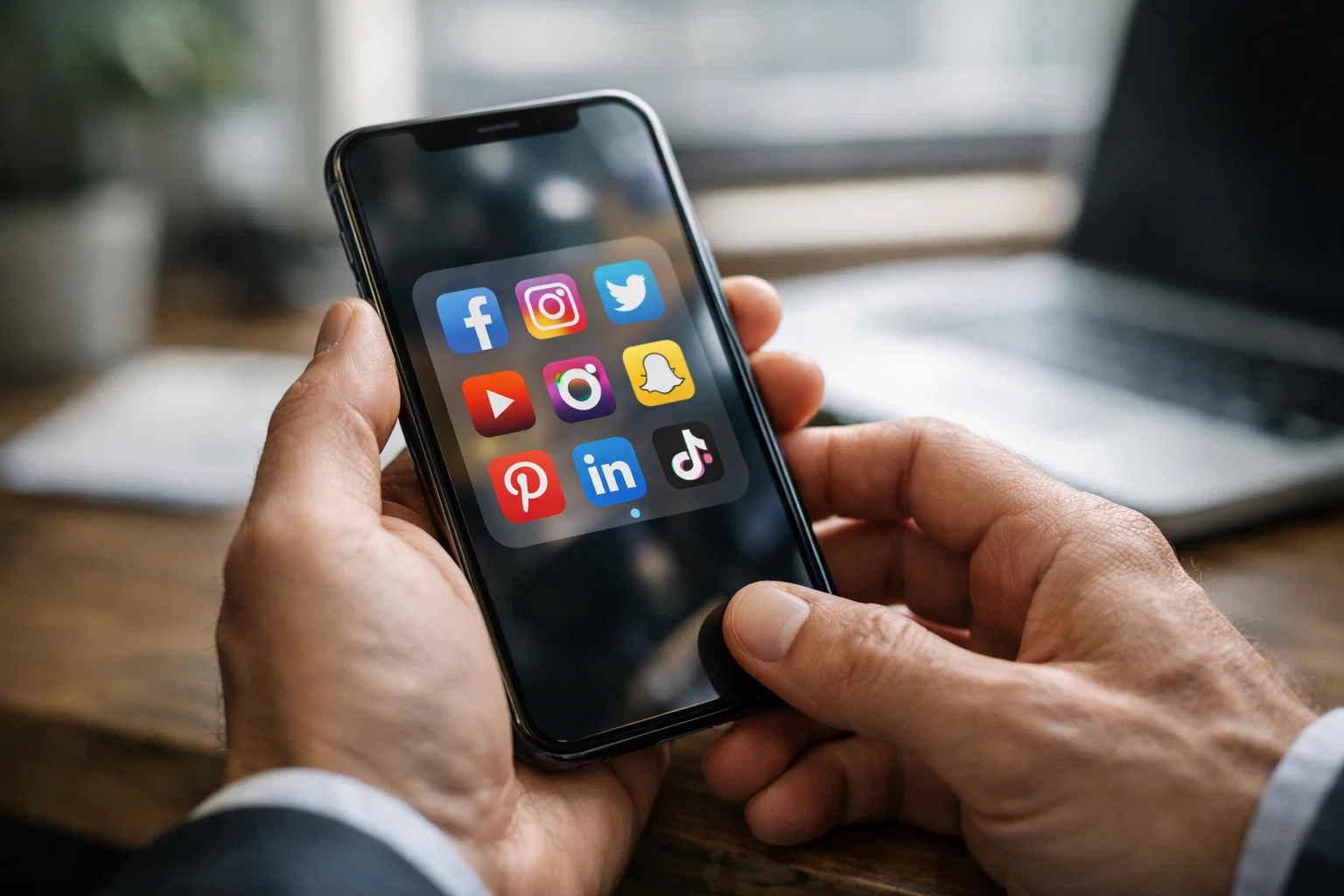
Not every business needs to be active on every social media platform. In fact, spreading your budget too thin across multiple social channels often weakens results. The real question is where your target audience already spends time and how they prefer to engage. A paid social media agency should help you choose platforms based on business goals rather than trends.
Different major social media platforms serve different purposes. Some are better for direct response and lead generation, while others support brand awareness and community building. Platform expertise matters here. When paid social campaigns are built around the right environment, your advertising spend works harder and campaign performance becomes easier to improve over time.
Facebook and Instagram Advertising
Facebook and Instagram remain two of the strongest social media platforms for local businesses. They allow detailed audience targeting, flexible ad formats and a mix of image and video ads that suit most industries. From carousel ads to simple image ads, the range of social ads makes it easier to test creative assets and refine your approach.
For many small businesses, these platforms provide a balanced mix of reach and conversion. You can target specific demographics, retarget existing audiences and guide people through a simple marketing funnel. When managed properly, paid social advertising on these platforms often delivers steady enquiries without extreme advertising spend.
LinkedIn for B2B Social Media Marketing
LinkedIn works differently from other social media channels. It is less about entertainment and more about professional context. That makes it powerful for B2B social media and business to business social media marketing. Instead of broad targeting, you can reach people by job title, industry or company size.
This level of targeted advertising helps businesses connect with decision makers rather than general audiences. For firms offering high value services, LinkedIn paid social campaigns often produce fewer leads but stronger ones. That quality focus can improve overall campaign performance and align better with long term business objectives.
TikTok and Short Form Video
TikTok has changed how brands think about social media video. Short, direct clips now compete with polished productions, and audiences respond well to content that feels authentic. For certain sectors, social media video marketing on TikTok delivers strong engagement metrics at relatively efficient cost.
That said, TikTok is not right for every business. A paid social strategy should consider whether your target audience actually uses the platform and whether short form video fits your offer. When it does align, paid social campaigns here can boost brand awareness and introduce your business to new audiences quickly.
Audience Targeting and Paid Social Strategy
One of the main reasons businesses invest in paid social is control. You are not shouting into the void and hoping the right person notices. You can choose who sees your message. That might mean targeting a certain age group in your local area, reaching people based on interests or speaking directly to those who have already visited your website. Done properly, audience targeting cuts down wasted ad spend and keeps the focus on people who are more likely to convert.
A paid social media strategy should start with something simple. What does the business actually need right now? More enquiries, more bookings, more sales. The campaign strategy then builds around that need rather than chasing vanity metrics. When paid social strategies sit inside a wider marketing strategy, the activity makes more sense. Each social campaign supports real business objectives instead of just generating surface level engagement.
Creative, Testing and Campaign Performance
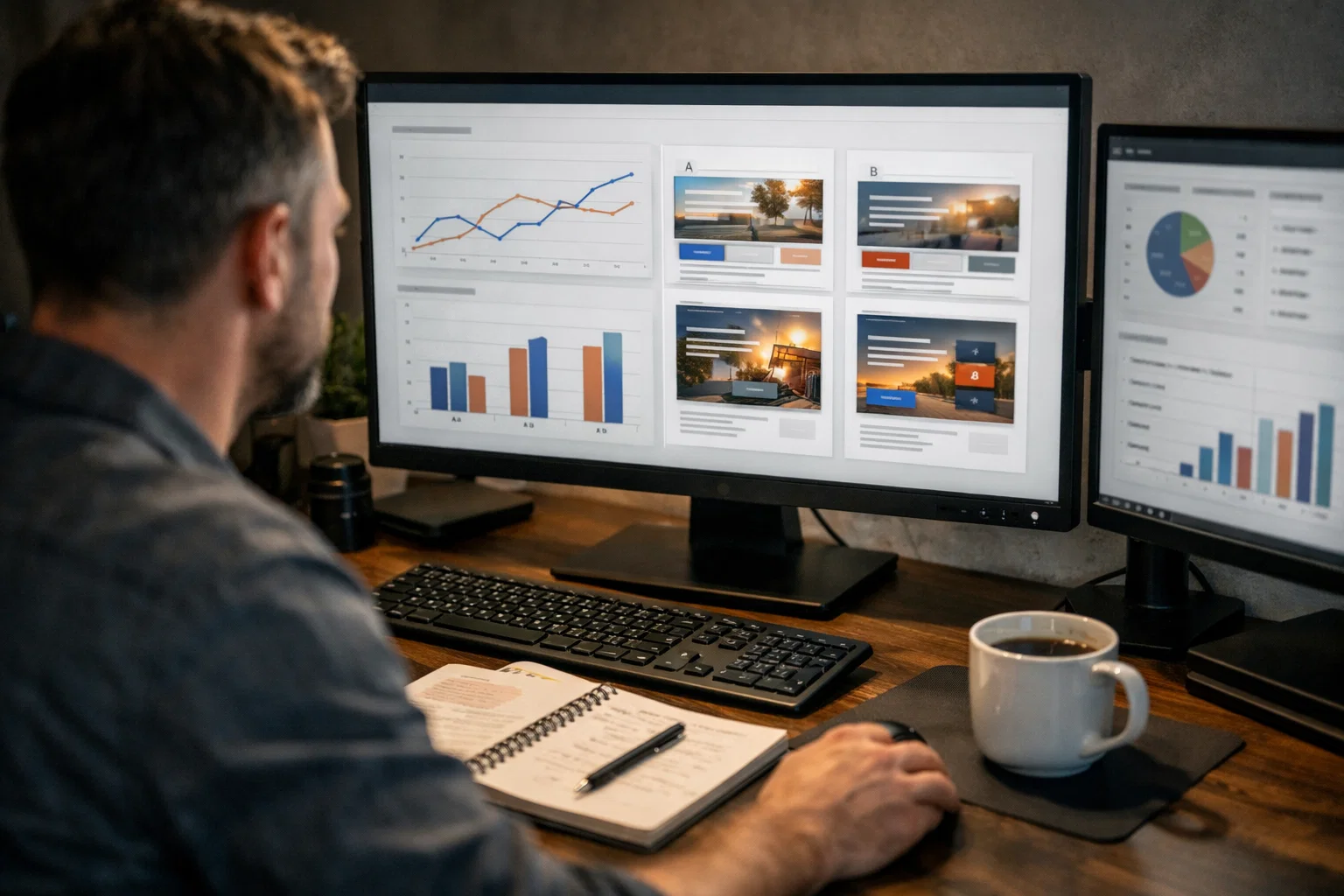
Creative is often the difference between average and strong results. Two ads can target the same audience, yet one will outperform the other by a wide margin. That is why paid social campaigns require testing. Different headlines, different visuals and different calls to action all influence how people respond across social media platforms.
Performance is not judged on likes alone. A paid social agency looks at campaign performance in practical terms. Are the ads bringing in enquiries at a sustainable cost? Are certain social media channels producing stronger leads than others? By reviewing engagement metrics and conversion data regularly, adjustments can be made before advertising spend drifts too high. Over time, those steady refinements are what turn paid social media into something dependable rather than unpredictable.
Aligning Paid Social With Your Wider Marketing Strategy
Paid social cannot fix a weak overall marketing setup. If someone clicks a social media ad and lands on a confusing website, the campaign will struggle. If your message on social media feels completely different from your website or email marketing, people hesitate. That disconnect quietly eats into campaign performance.
On the other hand, when everything lines up, paid social becomes far more effective. Your website supports the ads, your organic social content reinforces the same message and your digital marketing moves in the same direction. In that situation, paid social media does not carry the full weight on its own. It becomes one strong marketing channel inside a bigger, joined up plan.
When Hiring a Paid Social Agency Makes Financial Sense
At the start, many business owners manage paid social themselves. They boost a few posts, test some paid ads and learn as they go. That hands on approach can work for a while. Eventually though, time becomes the real cost. Campaigns need monitoring, audiences need refreshing and creative needs testing. It is easy for performance to dip without anyone noticing straight away.
Hiring a paid social agency often makes sense once ad spend increases or when clear growth targets are in place. Instead of guessing, you get structured paid social campaigns, regular optimisation and someone accountable for campaign performance. The benefit is not just better results. It is focus. You can run the business while a specialist manages your paid social media properly.

Turning Social Media Into a Scalable Growth Channel
Social media on its own does not guarantee growth. Plenty of businesses post regularly, run the occasional paid social campaign and still see mixed results. The difference usually comes down to structure. When paid social media is treated as a long term strategy rather than a short burst of activity, patterns start to emerge. You see which audiences respond, which social ads convert and which social media platforms deserve more budget.
Over time, that clarity changes how you view paid social. It stops feeling like a gamble and starts feeling like a controlled marketing channel. A successful social media campaign is rarely about one viral moment. It is built on steady testing, careful audience targeting and consistent refinement. When managed properly, a paid social media agency helps local businesses move from occasional wins to predictable growth, which is ultimately what real return on investment looks like.