
A lot of e-commerce businesses only start hunting for a Shopify SEO agency once they hit a growth wall. Traffic levels start to plateau, paid ads get pricier, and product pages start dropping out of search. Shopify makes it super easy to get your online store up and running, but long-term visibility in the search engines requires more than just a snazzy new theme and a few bells and whistles.
Shopify SEO is all about helping the search engines get a better understanding of your store’s structure, content and what you’re actually trying to achieve. For many businesses, the real challenge isn’t attracting visitors in the first place – it’s attracting the right kind of visitors at the right time in the buying process. That’s where specialist Shopify SEO support starts to really matter.

What Does a Shopify SEO Agency Actually Do For Me?
A good Shopify SEO agency will have a deep understanding of the platform and what it’s capable of. Unlike general SEO work, Shopify SEO is all about working within the limitations and strengths of the Shopify platform. That means understanding how Shopify handles URLs, collections, product pages and internal links – and how all these things impact how the search engines crawl and rank your site.
Shopify SEO services typically involve a combination of technical SEO, keyword research, and on-page optimisation – but the key is how these elements are applied within the Shopify structure. This means making some careful decisions about your site structure and page setup early on – as these can have a big impact on your site’s performance.
Is Shopify Good for SEO?
Shopify is often described as an SEO-friendly platform, but don’t be fooled – it’s not quite that simple. Shopify gives you a solid foundation to work from, but you’ll still need to make sure you’re getting the most out of it. Search engines can easily index your Shopify site, but how well it performs depends a lot on how you’ve configured your store.
There are a few potential issues to watch out for, such as duplicate content, limited control over URLs and reliance on apps. If you grow your store without addressing these limitations, you could find yourself hitting some ranking issues along the way.
Building a Shopify SEO Strategy That Works
A good Shopify SEO strategy is never just a case of following some kind of checklist. Every e-commerce business is different, even if you’re selling similar products – and there are a million different factors at play, including market competition, search intent and customer behaviour.
Effective Shopify SEO strategies usually try to strike a balance between structure and flexibility – so you can adapt to changes in your market and your customers’ needs. Keyword research will give you a good start, but you’ll often need to make some adjustments as you get more data coming in. One thing to watch out for is trying to use rigid templates – these can be a disaster when you’re scaling up and adding new products all the time.
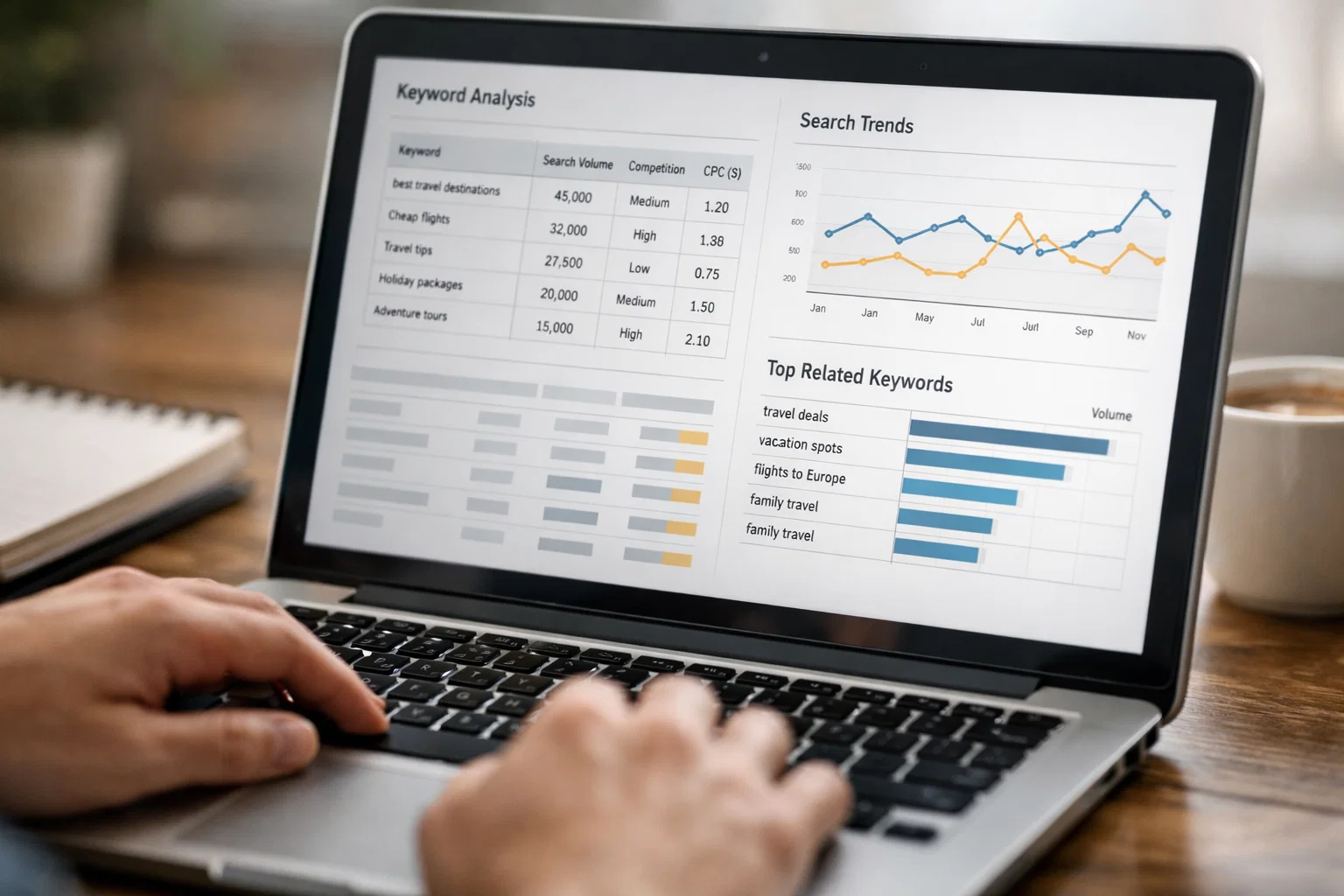
Keyword Research and Search Intent for Shopify
Keyword research for Shopify is about more than just finding the right search volume keywords – it’s also about understanding how your customers are searching and what they’re looking for. E-commerce search intent is a lot more complex than you might think – and it’s a big factor in how you build your product pages and collection pages.
The thing is, a lot of Shopify stores are still ranking for search terms that aren’t actually going to drive any sales. Over time, that can have a real impact on the quality of your organic traffic and your overall search visibility.
Technical SEO for Shopify Sites
Technical SEO is a big part of what drives Shopify’s performance. How your site is structured, how you’re using internal links and how the search engines are crawling your site all have a big impact on how well you rank. And technical SEO issues can be a real problem – often it’s not until you start to notice your rankings slipping that you realise there’s an underlying issue.
A technical SEO audit will usually highlight issues with things like duplicate content, page speed and indexing – and these are all things that Shopify handles automatically, so you might not even notice there’s a problem. Don’t be fooled – technical SEO improvements may not give you an overnight win, but they’re essential for long-term stability.
Site Structure and Internal Linking on Shopify
Your site structure has a huge impact on both your users and the search engines. Shopify stores with a poor structure often struggle to distribute authority across their product and collection pages – and internal links are a key part of helping the search engines understand relationships between your pages.
Internal linking is often something that gets overlooked – especially as your store grows and things start to get more complicated. So you need to think carefully about how you’re structuring your site and linking between your pages – as this will make a big difference to how well you rank.
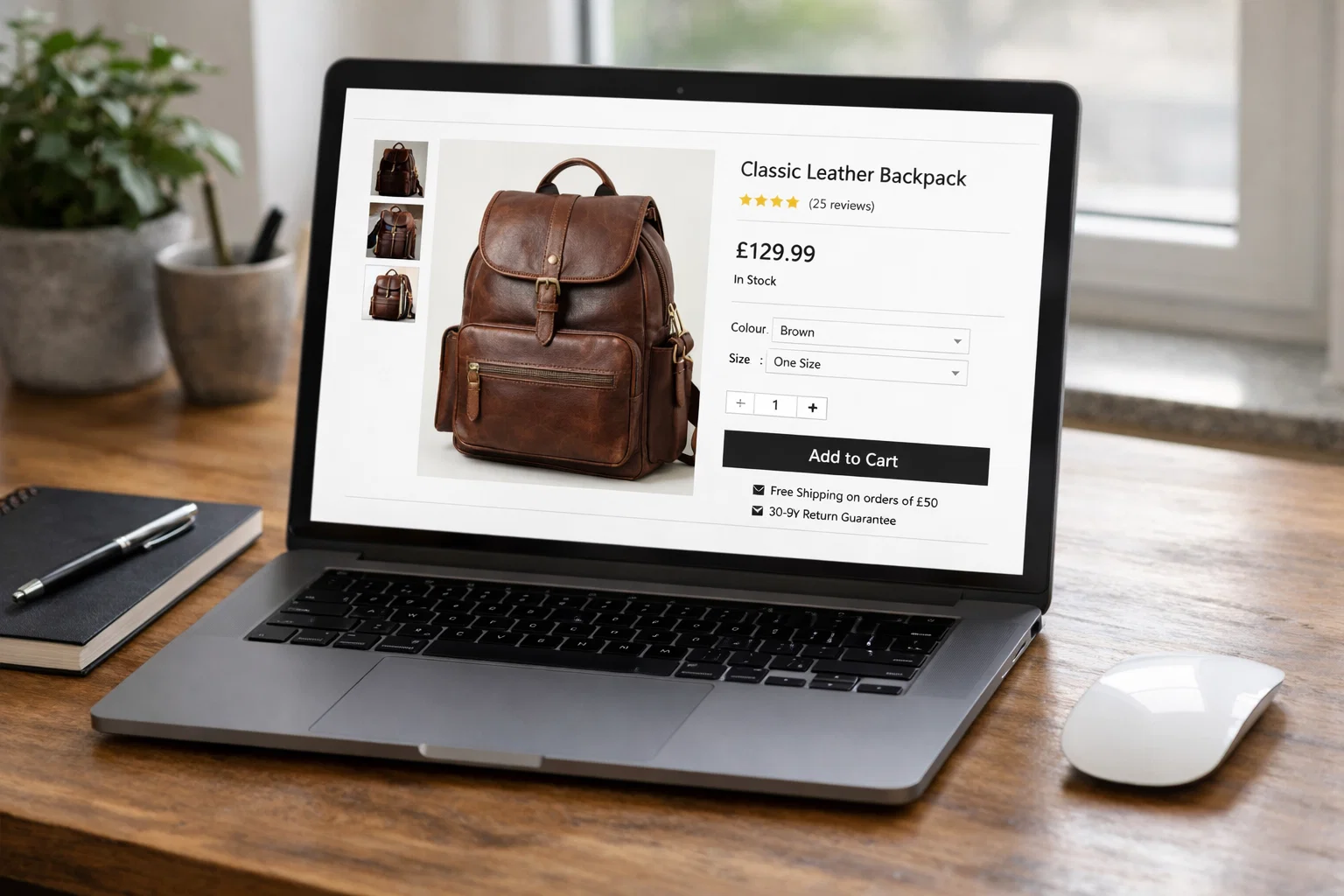
Optimising Product Pages and Collection Pages
Product pages and collection pages are the bread-and-butter of Shopify SEO – and getting them right is essential for driving targeted traffic to your site. They’re also a bit of a risk, as they’re the most obvious places for duplication and thin content to creep in.
So you need to focus on getting your page titles and meta descriptions right, and making sure that your product descriptions are written with both users and search engines in mind. On your collection pages, you need to make sure you’re providing some context – not just a list of categories.
Page Speed, Core Web Vitals and Shopify Performance
Site speed is a key factor in both user experience and search engine rankings – and Shopify performance will depend a lot on the quality of your theme and how well you’re using your apps and media. If your pages are taking a long time to load, you could find yourself struggling to maintain your visibility, even if you’ve got great content.
The Core Web Vitals give you a good insight into how users are experiencing your Shopify site – and improving these metrics usually means simplifying your layouts, reducing your app dependency and reviewing your technical setup. It’s not about adding more features – it’s about getting the basics right.
Structured Data and Shopify SEO
Structured data is a great way to help the search engines understand your page content – and Shopify supports structured data through its themes and apps. Implementation varies, so you need to make sure you’re getting it right.
Using structured data properly can really help you improve how your products appear in the search results – but if you get it wrong, you could end up with inconsistencies and errors. The key is to use structured data as part of a wider SEO strategy – not just as a one-off add-on.

Content Marketing for Shopify SEO: Bringing in Organic Search Traffic Early
Content marketing very much helps Shopify SEO by getting you found by people looking for answers early on in the buying process. Good blog content, guides, and landing pages actually do get to capture the search terms that your product pages can’t.
When putting together a content marketing strategy for your Shopify store, it’s really all about aligning it with what your products are and what your customers are actually looking for. Truth is, content that attracts traffic but just doesn’t have any relevance to your business just won’t bring in the conversions. The more of that kind of stuff you publish, the more it’s going to actually hurt your site’s credibility over time.
The Importance of Link Building for Shopify E-commerce Websites
Link building is still a pretty big part of optimising your shop for search engines. The really good quality backlinks that you can get – especially for e-commerce businesses operating in super competitive markets – really are like a trust seal. They tell search engines that your website is one to be taken seriously.
It’s actually quality that tends to win out over quantity when it comes to backlinks. So rather than just going after as many low-quality links as you can, you’re much better off targeting links that really do help people find your products and your brand. When you integrate link building with content and PR efforts, it tends to work a lot better.
Paid Ads vs SEO for Long-term Shopify Growth
Paid ads will get you immediate traffic, but SEO is what gives you long-term visibility. A lot of e-commerce businesses start out by relying heavily on paid ads and then struggle when they start getting expensive. On the other hand, building up your SEO leads to a much more stable source of targeted traffic over time.
SEO won’t replace paid advertising, but what it can do is reduce your dependence on them. The key here is to balance both channels in order to support sustainable growth.

Choosing the Right Shopify SEO Agency for Your Business
Choosing the right Shopify SEO agency is about more than just looking at which agency has the best service. What you need is an agency that actually has experience working with e-commerce sites on Shopify. A specialist will know how Shopify sites behave as they scale and what to do to get the best results.
When it comes down to it, what you need is a Shopify SEO expert who focuses on results that last a long time, rather than just trying to get a quick ranking boost. The right agency will adapt its strategy as your business grows, rather than just trying to apply the same approach to every client.
Shopify SEO FAQs – Getting Answers to Your Questions
Shopify SEO questions tend to crop up when your store’s performance gets unpredictable. Store owners often want to know what’s going on with their rankings, or why their traffic has dropped off, or whether apps alone can solve the problem. The thing is, the answer to each of those questions depends on the structure of your site, how much competition you’re up against, and how well your site is set up technically.
Shopify SEO is still super important because the competition is going up all the time. Stores that take the time to approach SEO carefully tend to end up with more consistent organic traffic over time. On the other hand, stores that rush into making a lot of changes often end up spending a lot of time reversing them.
So What’s the Next Step for Shopify SEO?
Shopify SEO doesn’t usually improve overnight – it takes time and effort. Decisions you make early on are going to affect your performance later on, especially if you’re adding a lot of new products or moving into new markets. Talking to a Shopify SEO agency like Rank Kings can really help you figure out which changes are worth prioritising and which issues you might be missing.
For e-commerce businesses that want to keep growing over the long-term, getting external help can give you the guidance you need to make progress without having to guess what to do. With Shopify SEO, it works best when it’s supporting your wider business goals, rather than being treated like a separate thing that operates on its own.


